When a bulk earthworks job needs extra plant on site
Bulk earthworks is never just about moving soil. On a large site you are setting formation levels, balancing cut and fill, keeping trucks moving and making sure the platform is ready for civils, concrete or building works. If the plant mix is wrong, the whole site slows down. You end up with queues at the face, wet material sitting too long, and rework when levels are not right.
We support contractors working on industrial parks, township services, road upgrades, warehouse platforms and housing developments. Some jobs need a few days of extra capacity. Others need long-term hire with a steady rotation of machines, operators and support equipment. The right setup depends on the volume of spoil, the ground conditions, access width, and whether you are working in Germiston, Midrand, Durban or on a coastal site near Cape Town where wind and moisture can affect stockpiles.
For jobs with tight deadlines, same-day dispatch and weekend support can make a real difference. On sites where load-shedding is still affecting production, generators and fuel planning need to be part of the hire schedule too, not an afterthought.
Typical machine mix for cut, fill and platform work
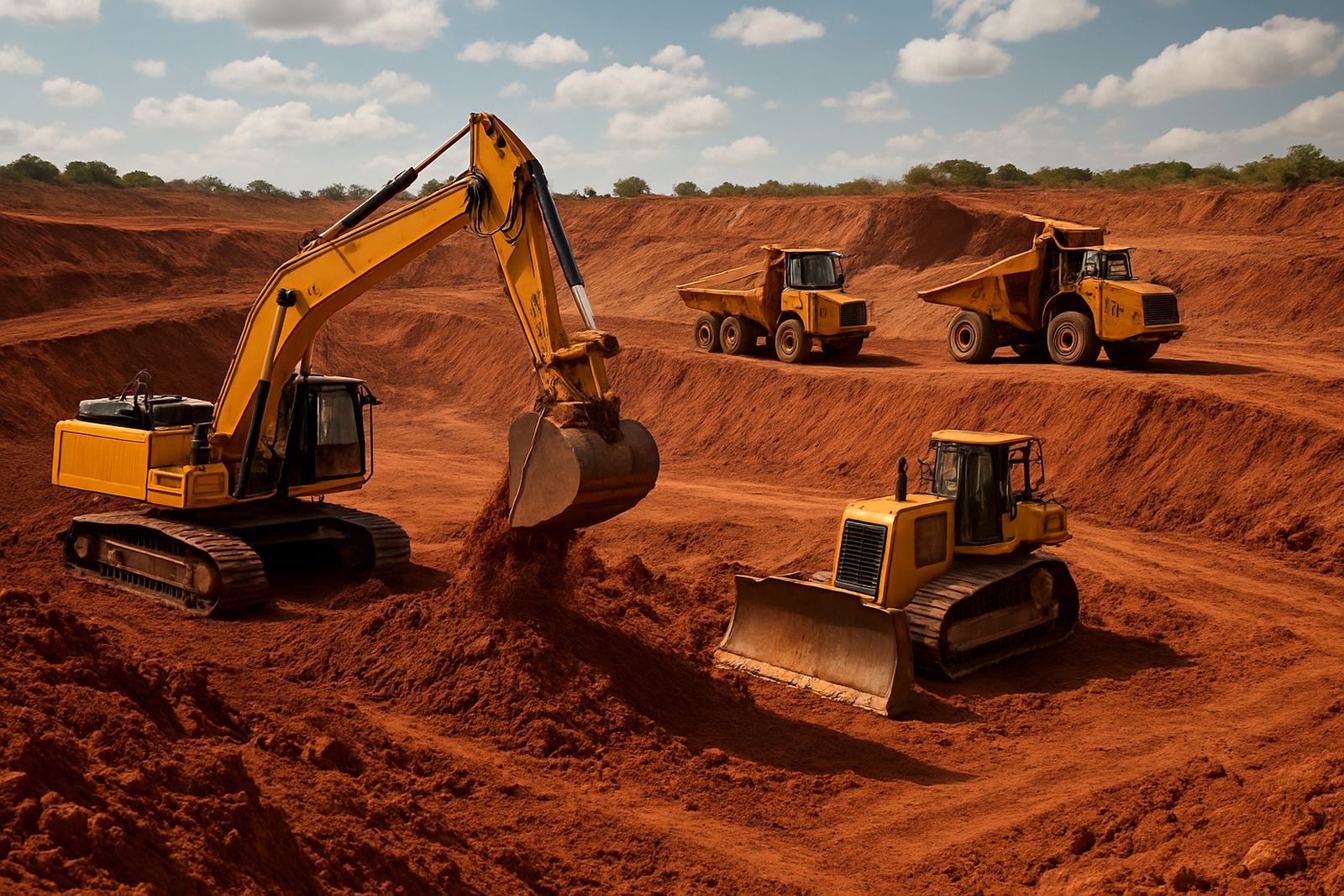
Most bulk earthworks programmes need more than one machine type. A strong hire plan usually includes diggers for cut, dozers for shaping, loaders for stockpiles and support plant for haul roads and compaction. The exact mix changes with the site, but these are the common pieces we supply for this kind of work:
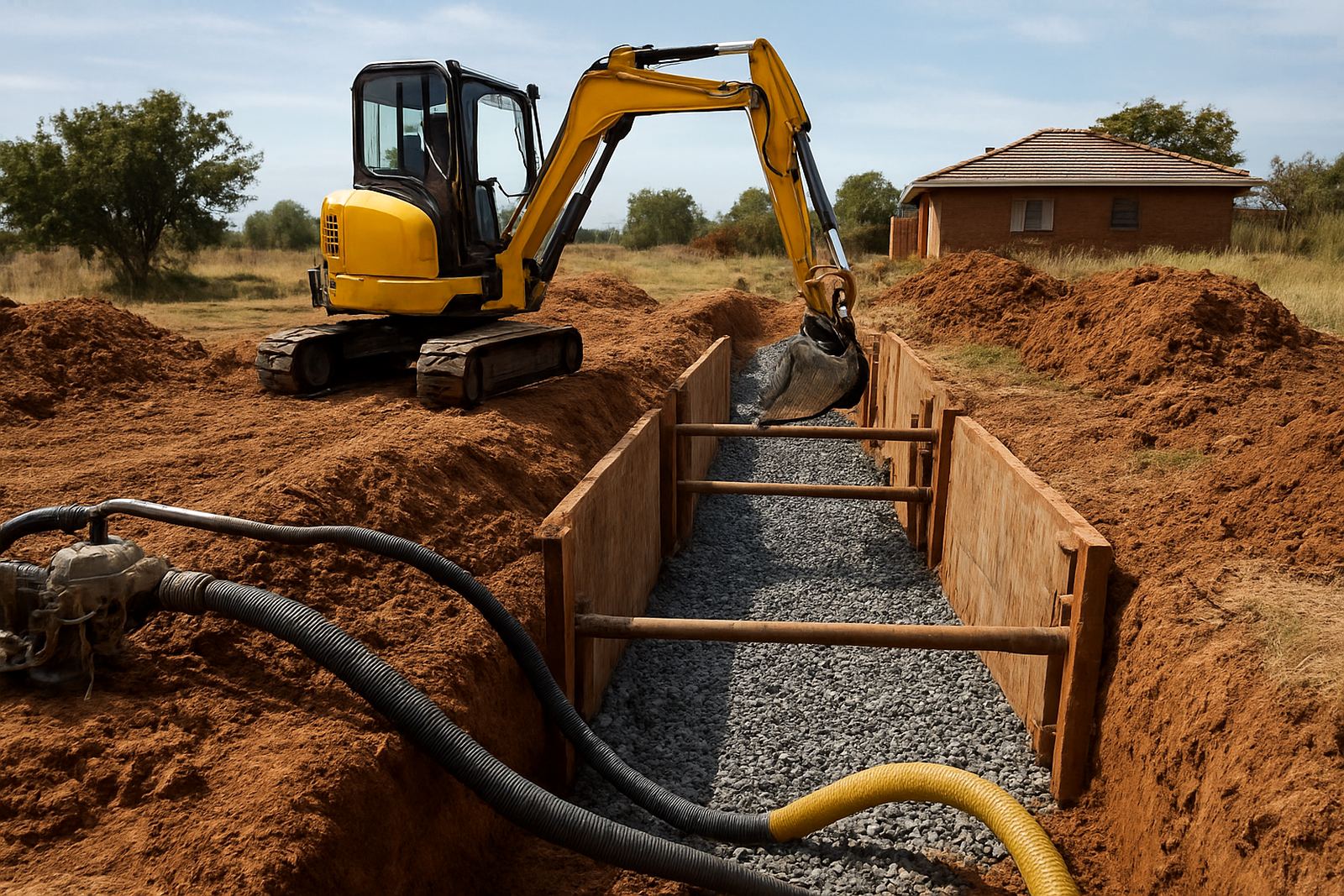
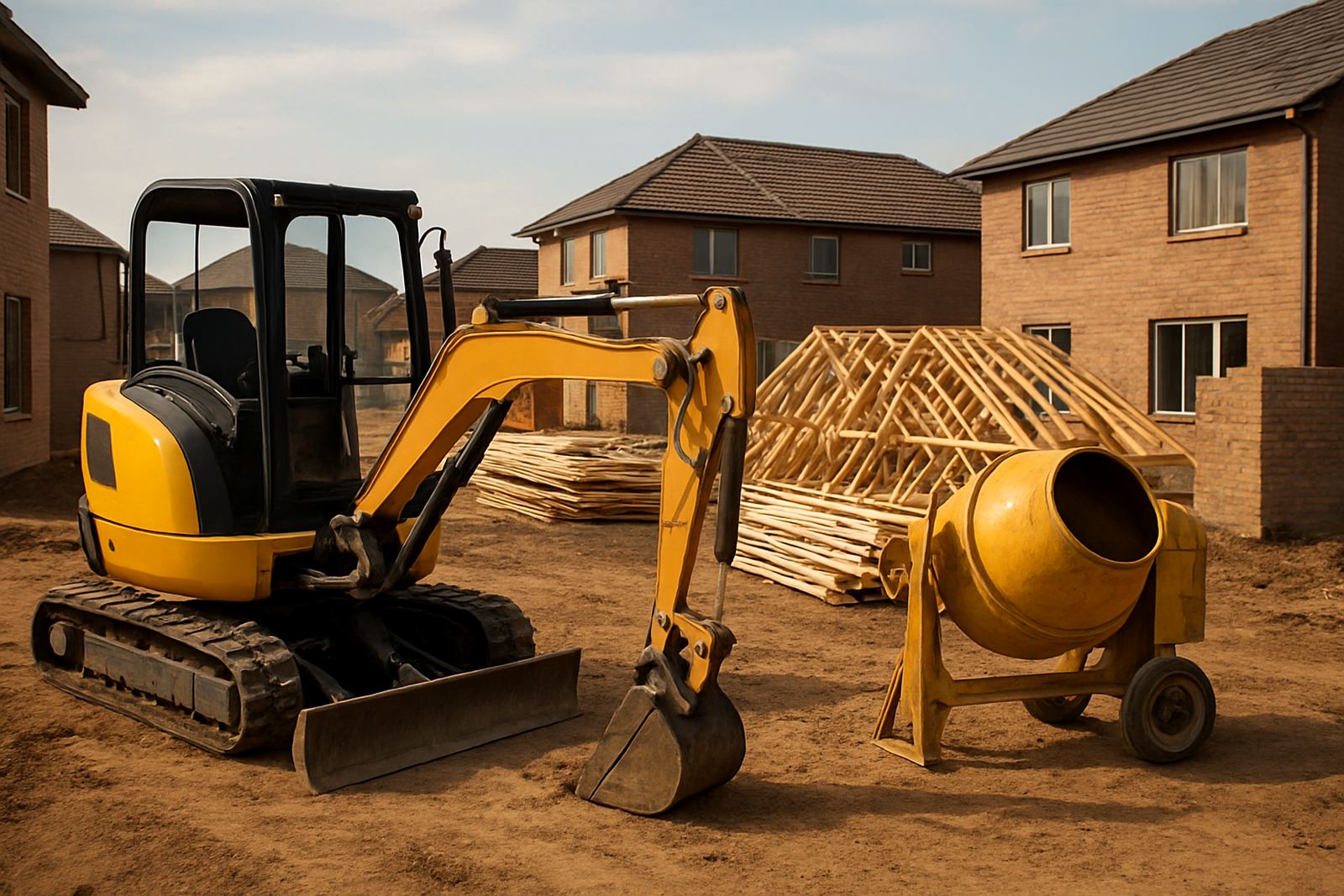
- Excavators for digging, loading and trench connection work
- Bulldozers for spreading, pushing and trimming bulk fill
- Wheel loaders for stockpile handling and loading trucks
- Tipper trucks for short haul movement and spoil removal
- Rollers and compactors for platform and road base preparation
- Graders for shaping access roads and final levels
- Generators for temporary power on sites affected by outages
- Scaffolding and light access equipment where associated works are happening at height
For bigger earthworks, operator supply is often the safer choice. That helps keep standards steady and reduces the risk of machine abuse or delays caused by unfamiliar operators. Where a machine is working long shifts, we can also plan for plant swop-outs so the job keeps moving if a unit needs workshop attention.
How to plan a site layout that keeps machines moving
A good site layout saves fuel, time and damage. Before the first machine arrives, map out the haul routes, turning space, stockpile positions, discharge points and wash-off area. If trucks are reversing across uneven ground or passing too close to the loading face, you are building risk into the job. On a busy Gauteng site, that can turn into lost hours by mid-morning.
We usually advise contractors to keep the following points in mind:
- Separate the loading zone from pedestrian access wherever possible
- Keep spoil and fill stockpiles on stable, drained ground
- Plan a clear route for fuel bowsers and service vehicles
- Allow space for breakdown response and off-hire collections
- Mark out plant parking so machines are not left in haul routes overnight
On coastal sites, the layout should also account for soft shoulders, salt air and rapid weather changes. In wet season conditions around Durban or the Western Cape, a platform that looked fine in the morning can go pear shaped by lunch if drainage was ignored. A small drainage channel or a better stockpile position can save a lot of trouble later.
Common mistakes that slow bulk earthworks down
The most common mistake is under-hiring. Contractors often budget for the main digger and then realise too late that they also need a loader, a backup machine, fuel support and a roller. That gap causes waiting time, and waiting time costs money. Another mistake is hiring machines that are too small for the soil volume or too large for the available access. Both problems hit productivity.
Other avoidable issues include poor maintenance planning, no safety documentation on site and late requests for extra equipment. If the site is working under municipal conditions or on a project with strict compliance requirements, paperwork must be ready before the machine starts. That includes site induction documents, service records and safety controls for operators and visitors.
We also see jobs lose money when the contractor does not allow for off-hire collections at the end of each phase. Machines left on site after the bulk work is complete can rack up extra hire days and cause clutter around the new formation.
Budget ranges for bulk earthworks hire in Rand
Hire costs depend on machine size, duration, transport distance and whether you need an operator. For short-term bulk earthworks, a smaller support package can start from about R8,500 to R18,000 per day for mixed plant, excluding abnormal transport and fuel. Mid-sized excavation and loading packages for active cut and fill work often fall between R35,000 and R90,000 per week, depending on the mix.
For long-term jobs, monthly hire can be more practical. A large earthworks spread with excavator, dozer, loader, compactor and fuel management may sit anywhere from R120,000 to well over R350,000 per month. The upper end depends on machine class, site hours, standby arrangements and whether you need weekend support or backup units.
It helps to budget for these extras from the start:
- Site delivery and return transport
- Operator supply where required
- Fuel management and refuelling runs
- On-site servicing and tyre or undercarriage wear
- Safety documentation and compliance checks
A proper quote should match the site programme, not just the machine list. If the earthworks run in phases, we can structure the hire so you are not paying for idle equipment between stages.
Where our depots support earthworks programmes
Our Germiston base supports projects across Johannesburg and the wider Gauteng corridor, with depots in Midrand, Pretoria East and Boksburg for quicker local response. That matters when a site needs a same-day replacement or a machine must be moved before the next shift starts. We also support Durban and Pinetown projects from KwaZulu-Natal, and Cape Town and Bellville work from the Western Cape side.
For bulk earthworks, proximity matters because transport delays can throw off the entire programme. A machine that arrives late means trucks wait, operators stand idle and compaction windows get missed. Our team plans the movement with the site sequence in mind, not just the drop-off time. Sibusiso Mthembu leads the business, with Annelie van Wyk, Thabo Nkosi, Zanele Dlamini, Willem Erasmus and Nokuthula Khumalo handling operations, fleet control, workshop support and safety requirements across the hire cycle.
Whether you are starting a new platform in Germiston or stripping and filling a large development in Somerset West, the aim is the same: keep the machines working, keep the site safe and keep the programme on track.