Hiring for active hospital work needs more than a machine
Hospital sites are not like ordinary construction jobs. Access can be tight, traffic is controlled, and the work often takes place beside wards, parking decks, loading bays or live services. That means the hire plan must suit the site, not just the task. At MachinesAfrica Rentals we set up plant and equipment for contractors working on hospitals, clinics and medical precincts across Johannesburg, Germiston, Pretoria, Durban, Pinetown, Cape Town and Bellville.
The main pressure points are usually time, safety and cleanliness. Deliveries may only be allowed before visiting hours, noise can be restricted near patient areas, and some zones need clear pedestrian routes at all times. We help contractors choose equipment that fits these rules, with enough capacity to keep work moving without clogging access roads or creating unnecessary risk.
For hospital work, smaller and well managed plant often performs better than oversized machines. The goal is controlled movement, tidy staging and reliable starts every day, especially when a project runs over weeks or months.
Typical equipment set for wards, parking decks and service yards
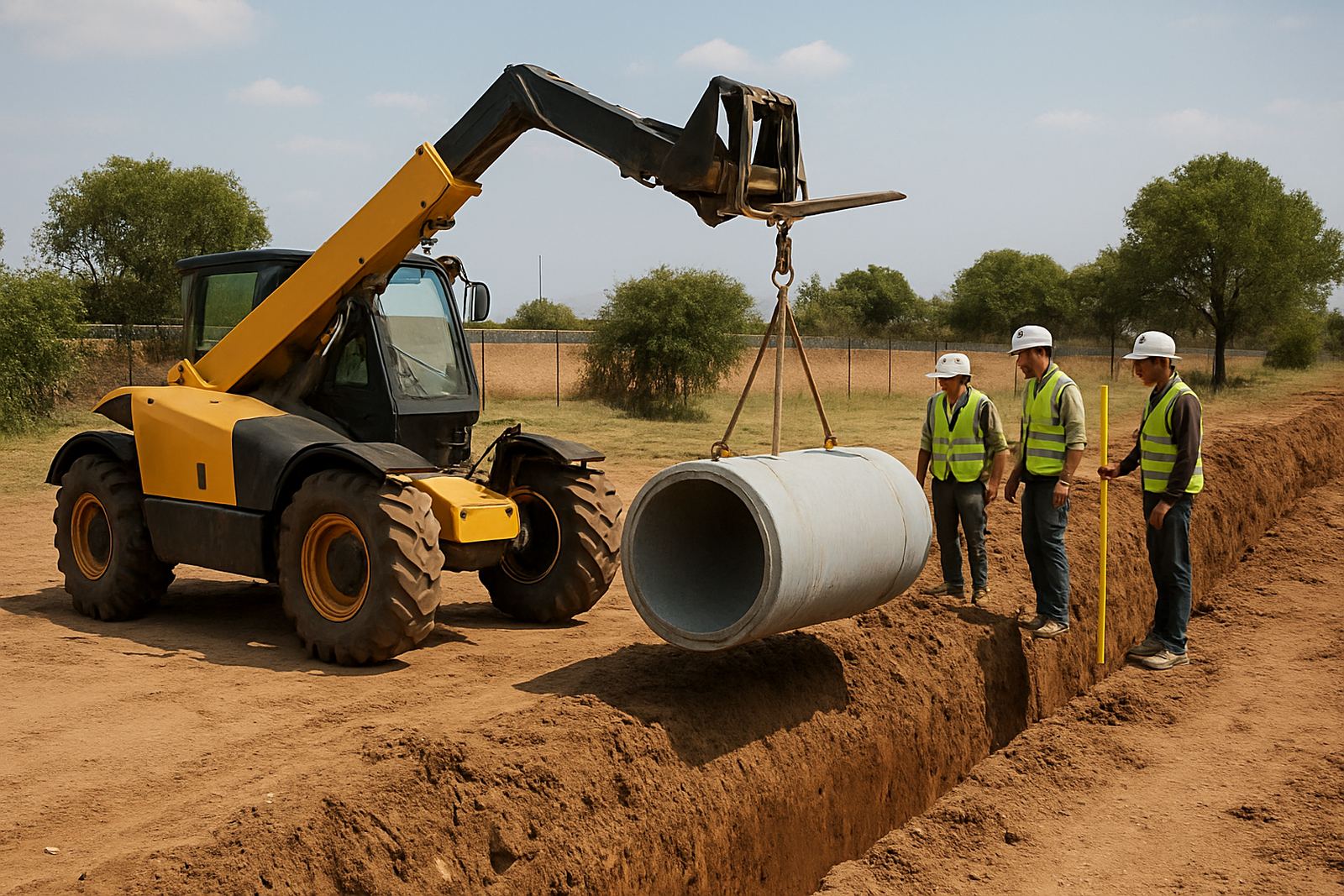
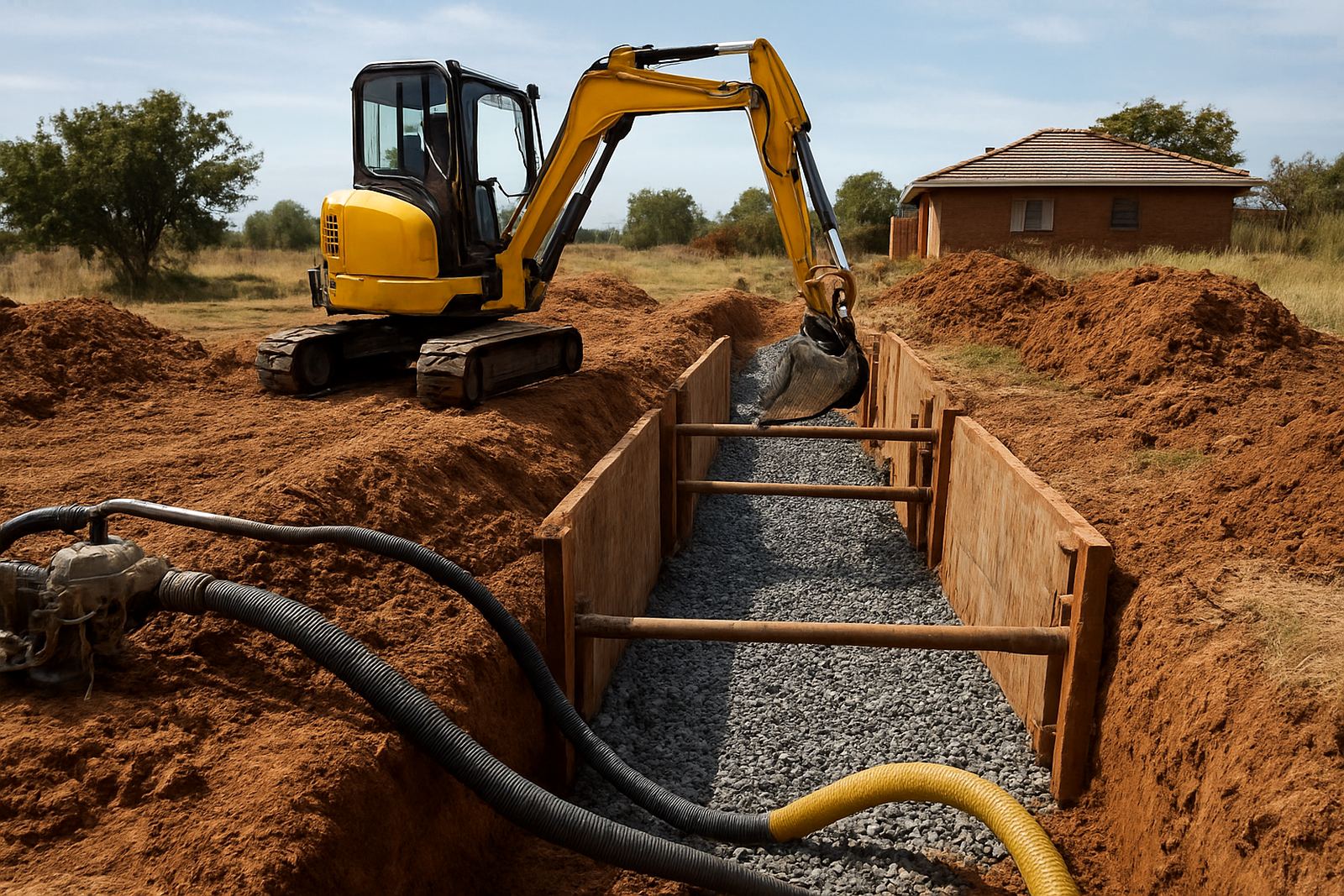
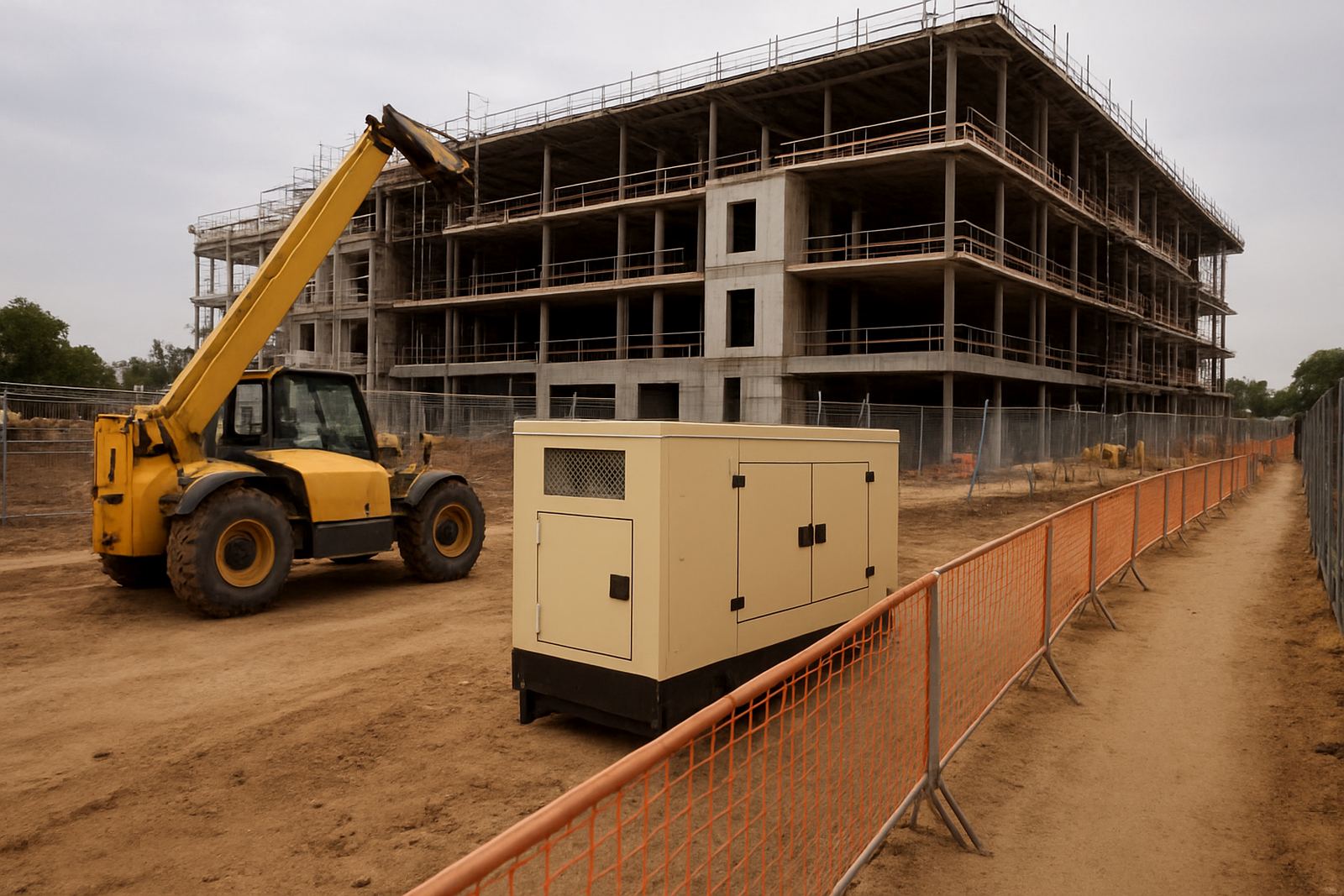
The right mix depends on whether the job is civil, structural, MEP support or maintenance. Common hire choices on hospital sites include compact excavators for service trenches, telehandlers for materials handling, generators for temporary power, lighting towers for night shifts and scaffolding for external maintenance. Scissor lifts and boom lifts are often used where access is limited and work must be done cleanly at height.
- Compact excavators for drainage, cable and pipe runs
- Telehandlers for pallets, shutters and bulk materials
- Diesel or silent generators for backup power and site facilities
- Scaffolding for facades, roof edges and plant rooms
- Lighting towers for early starts, night work and outage periods
- Small rollers and plate compactors for reinstatement and paving
We can also arrange operator supply, fuel management, on-site servicing and plant swop-outs if the job runs long or the site has no space for spare machines. On active facilities, that support can save a day or two of lost production when something goes wrong.
How to plan access, laydown space and patient safety
Good planning matters more on hospital sites than almost anywhere else. Before hire, identify the delivery route, turning space, height restrictions, gate widths and the nearest safe laydown point. If the site has multiple departments, split the work into zones so machines are not crossing public areas repeatedly. One way in and one way out is often better than trying to thread equipment through busy parking lanes.
It also helps to plan around shift patterns, clinic times and ambulance access. The site team should mark emergency routes clearly and keep them open at all times. Where dust is a concern, add water control, covers and cleaning routines. For noise sensitive areas, choose quieter plant and schedule the noisiest work for off-peak hours or weekends when permitted by the facility and local rules.
- Measure access points before confirming the machine size
- Book delivery windows outside visiting hours where possible
- Separate pedestrian routes from plant routes with barriers and signage
- Keep spare fuel, keys and basic consumables in a secure point on site
- Use lighting and reflective controls for evening or night work
Common mistakes that slow hospital projects down
Many delays come from small oversights. A machine can be perfectly suitable on paper and still fail on site if it is too wide for a service gate, too noisy for a ward block, or too heavy for a parking deck. Another common mistake is hiring plant without checking the access control process. If every delivery needs a permit, induction or security escort, that must be built into the programme from day one.
Contractors also sometimes forget about off-hire timing and collection space. If the hospital has no room to stage a truck, the machine may remain on charge longer than planned. Poorly timed returns can also block urgent work. We advise clients to keep the hire list tight, confirm the work sequence and allow a little slack for breakdown response or extended shifts. It is cheaper to hire the right unit for one extra day than to wait for a site delay to clear.
Another issue is skipping safety documents. On medical sites, that often stops work before it starts. Method statements, risk assessments, operator records and delivery notes should be ready before the machine arrives. If the project is near public entrances or emergency routes, the paperwork needs to show how that risk is being controlled.
Budget ranges for hospital site hire in Rand
Hire budgets vary by machine size, duration, transport distance and whether you need an operator or servicing included. For short hospital maintenance jobs, smaller items may start from about R850 to R1,800 per day. Compact excavators and access equipment usually sit between R2,200 and R6,500 per day depending on size and term. Generators can range from around R1,500 to R8,000 per day, with larger units higher if the load demand is heavy or the site needs quiet operation.
Weekly and long-term hire usually brings the daily rate down, which suits hospital refurbishments, ward upgrades and phased maintenance. Transport charges are separate and depend on distance, escort needs and loading conditions. If the site needs weekend support, on-site servicing or fuel management, those items are quoted according to the programme. For projects in coastal areas like Durban or Cape Town, extra care with corrosion and storage may also affect the plan.
As a working guide, a small maintenance package can fall in the R10,000 to R35,000 range for a short period, while larger phased work can move into the R50,000 plus bracket. Exact pricing depends on the machines, the hire term and the access conditions on site.
Why contractors choose a supplier that understands live facilities
Hospital projects need calm coordination and equipment that arrives ready to work. Our Germiston base and hire depots in Midrand, Pretoria East, Boksburg, Durban, Pinetown, Cape Town and Bellville help us cover sites across Gauteng, KwaZulu-Natal and the Western Cape. We handle site deliveries, same-day dispatch where possible, breakdown response, off-hire collections and long-term hire for projects that run in stages.
Sibusiso Mthembu leads the business, with support from Annelie van Wyk, Thabo Nkosi, Zanele Dlamini, Willem Erasmus and Nokuthula Khumalo. That mix of operations, fleet control, workshop support and safety focus helps keep hire practical and predictable. For hospital sites, that means fewer surprises when access is tight or the programme changes at short notice.
If you are planning work at a hospital, clinic or medical complex, send the details through the enquiry form on our contact page and we will help match the equipment to the site conditions and schedule.